

20% Off Full-Price Items Ends Today
Use Code FTPBOOST
Buy 3+ Apparel Styles, Save An Extra 20%
Build your kit
Your Fastest Season Starts Indoors
Shop Indoor Trainers
Road Bike Chainrings
72 results

SRAM
Road Inner Chainring - 11-Speed
1 color

SRAM
Red Road Chainring
2 colors
(1)

SRAM
Powerglide Road Chainring - 10-Speed
1 color
(2)

Shimano
Shimano Dura-Ace 9000 Chainring
1 color
(1)

FSA
Pro Road Chainring
1 color
(1)

FSA
Pro Road Chain Ring
1 color



5DEV
Aluminum Aero Road Chainring
2 colors
20% Off Full-Price Items
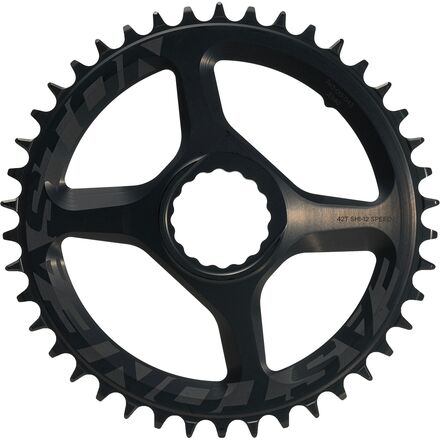
Easton
Cinch Direct-Mount Chainring
1 color

Easton
Asymmetric Chainring
1 color
20% Off Full-Price Items
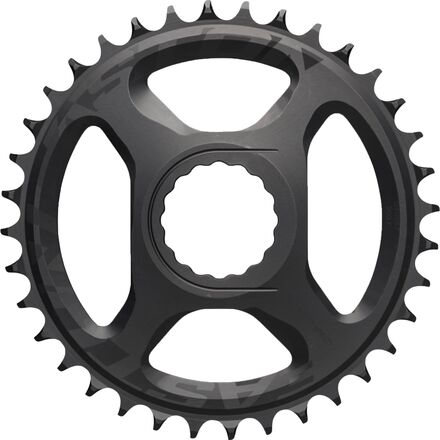
Easton
Cinch SRAM Flat Top Chainring
1 color
20% Off Full-Price Items
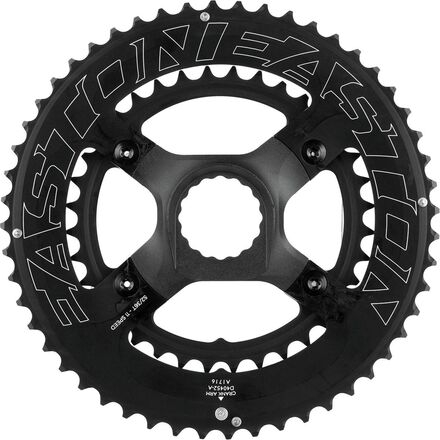
Easton
EA90 Cinch Spider/Ring Assembly
1 color
(2)

absoluteBLACK
OVAL 104BCD Narrow/Wide Chainring
1 color
20% Off Full-Price Items

absoluteBLACK
Beach Racing SRAM Oval Direct Mount 1x Chainring
1 color
20% Off Full-Price Items

absoluteBLACK
SRAM Oval 110BCD 2x Chainring
1 color
20% Off Full-Price Items

absoluteBLACK
Oval GRAVEL 110BCD 1x Chainring
1 color
20% Off Full-Price Items

absoluteBLACK
Oval CX 110BCD 1x Chainring
1 color
20% Off Full-Price Items

absoluteBLACK
Beach Racing Oval 94BCD 1x Chainring
1 color
20% Off Full-Price Items

absoluteBLACK
Oval 110BCD 2x Chainring
4 colors
20% Off Full-Price Items

absoluteBLACK
Beach Racing Oval 104BCD 1x Chainring
1 color
20% Off Full-Price Items

absoluteBLACK
110BCD 2x Chainring
1 color
20% Off Full-Price Items

absoluteBLACK
Winter Oval Road Chainring
1 color

absoluteBLACK
Sram APEX 1x Oval Chainring
1 color
20% Off Full-Price Items

absoluteBLACK
1x Shimano 110BCD 4-Bolt Oval Chainring
1 color
20% Off Full-Price Items

absoluteBLACK
5-bolt Chainring
1 color
20% Off Full-Price Items

absoluteBLACK
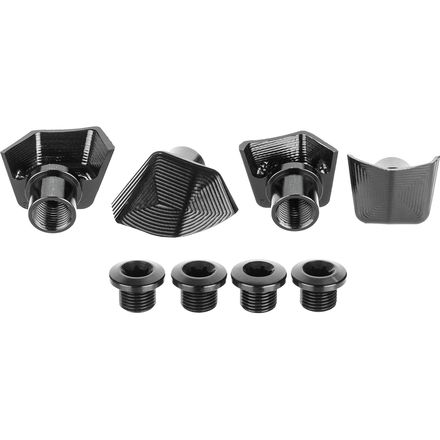
Crank Bolts and Covers
1 color
20% Off Full-Price Items
absoluteBLACK
Road Bolt Covers
1 color
20% Off Full-Price Items

absoluteBLACK
Shimano Premium Oval Road Ring
1 color
20% Off Full-Price Items
(3)

absoluteBLACK
Easton Oval Direct Mount Chainring
1 color
20% Off Full-Price Items

absoluteBLACK
SRAM CX Oval Direct Mount Chainring
1 color
20% Off Full-Price Items

FSA
Sl-K Dm Chainring
1 color


Related Categories


Frequently Asked Questions
What chainring sizes should I choose for road racing versus hilly riding?
For flat or fast courses go with standard setups like 53/39T (or 52/36T) for higher top-end gearing, while hilly terrain favors compacts such as 50/34T or SRAM’s 50/37T/46/30T options to keep climbing gears within an easier cadence range.How do aluminum, steel, carbon, and titanium chainrings compare for road performance?
Aluminum is the go-to for racing and performance thanks to low weight and good stiffness; road rings typically weigh 40–80g each. Steel trades weight for longevity (better for touring/commuting), carbon saves rotational mass for ultra-light builds, and titanium offers a premium durability-to-weight balance for ultra‑premium builds.What mounting standards do I need to check before buying chainrings?
Confirm your crank’s BCD (common road sizes 110mm or 130mm) or whether it uses a direct‑mount splined interface, and verify spider/clearance limits because some cranks and frames restrict maximum chainring diameter or tooth count.How do tooth profiles and shifting technologies affect 2x road shifting performance?
Look for ramp-and-pin or pin/shift shaping on 2x road chainrings for smooth, power‑preserving shifts; Shimano’s Drop‑Stop elements or Hyperglide+‑matched profiles help chain control, whereas narrow‑wide teeth are more relevant if you plan a 1x gravel/road hybrid.Will choosing a lighter chainring noticeably change ride feel or durability?
Yes—reducing rotational mass with lighter (40–80g) aluminum, carbon, or titanium rings improves acceleration and perceived responsiveness, but thinner gauges and exotic materials can shorten service life compared with heavier steel or more robust aluminum options, so match material to your durability needs.