

Up To 50% Off Leadout Sale
Shop Now
Holiday Gift Guide
Gifts for cyclists who’d rather be riding
Summit+ Exclusive: Extra 10% Cash Back
Shop Eligible Items
Cycling Computers
68 results
- Road Cycling

Wahoo Fitness
TRACKR Speed Sensor
1 color
$44.99

Wahoo Fitness
TICKR FIT Optical Heart Rate Monitor Armband
1 color
$89.99
(10)

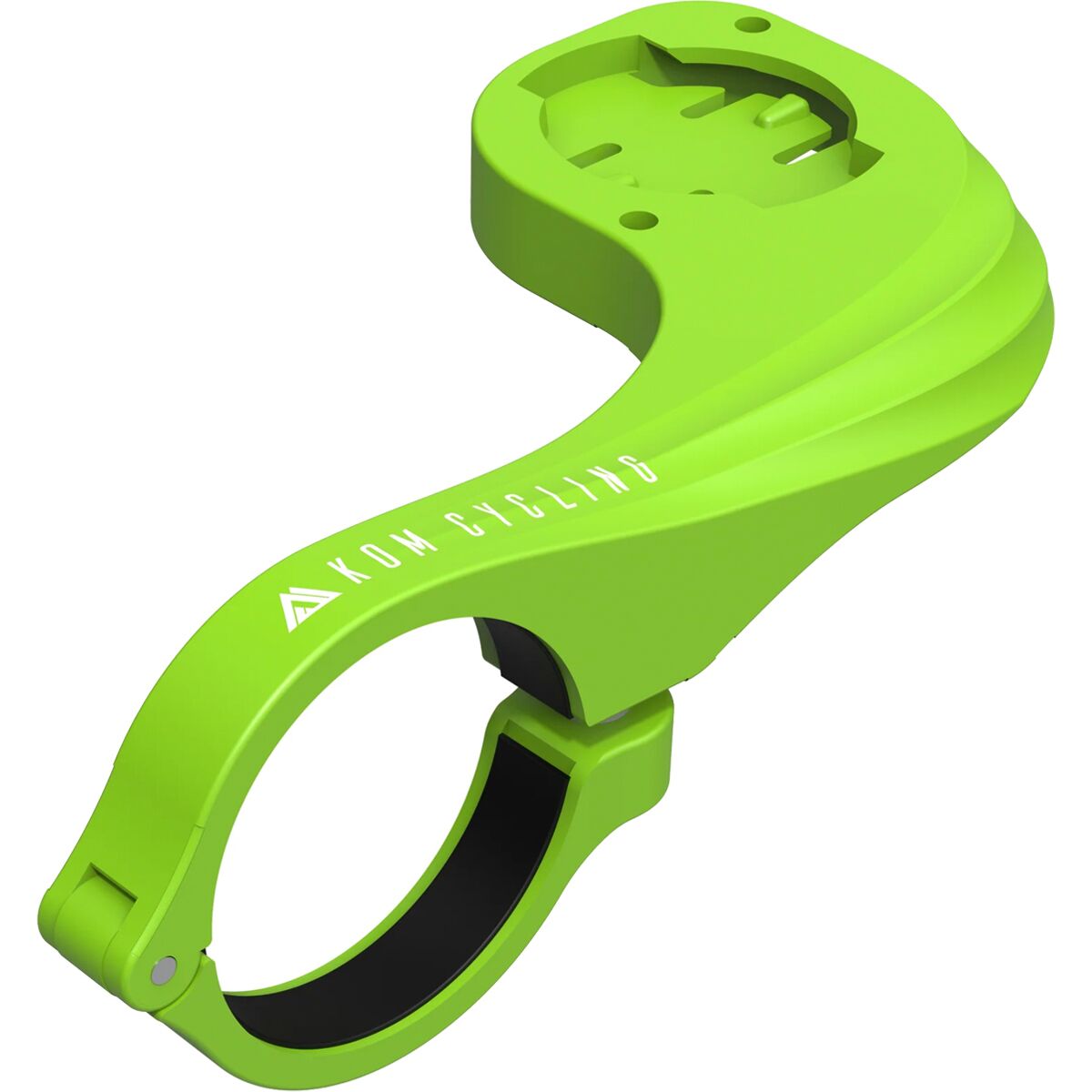
KOM Cycling
Saddle Rail Mount for Rear Radars
1 color
$49.99

Garmin
Bike Cadence 2 Sensor
1 color
$69.99
(3)

+2
Garmin
Edge 1040 Silicone Case
6 colors
$19.99

KOM Cycling
Phone Mount Bundle Kit
1 color
$29.99


K-Edge
Trek Madone 8 Combo Mount
1 color
$74.99

K-Edge
Max XL Handlebar Wahoo Combo Mount
1 color
$69.99
(1)

KOM Cycling
Magsafe Adapter for Indoor Training
1 color
$29.99
(1)

Garmin
Extended Out-Front Bike Mount
1 color
$39.99
(1)

Garmin
Out-Front Bike Mount
1 color
$39.99

Wahoo Fitness
BLUE SC Speed And Cadence Sensor
1 color
$59.99
(1)

K-Edge
Go Big Saddle Rail Mount
1 color
$49.99

K-Edge
Race Handlebar Mount for Garmin
2 colors
$59.99

Hammerhead
Karoo 2 Custom Color Kit
1 color
Current price: $27.30 Original price: $39.00
30% off
Leadout Sale

Garmin
Edge Power Mount Cable
3 colors
$29.99

Garmin
Edge Power Mount
1 color
$129.99

Garmin
Charge Power Pack
1 color
$179.99
(2)



Beeline
Velo 2 Navigation Device
1 color
Current price: $99.00 Original price: $119.99
17% off
Leadout Sale
(1)

KOM Cycling
TG03 Undermount QR GoPro Adapter
1 color
$14.99

Wahoo Fitness
ELEMNT BOLT Tether
1 color
$9.99
(2)

Lezyne
Mega XL GPS Cover
3 colors
Current price: $4.60 Original price: $8.95
49% off
Leadout Sale

KOM Cycling
Wahoo Universal Phone Mount Adapter
1 color
$14.99

Hammerhead
Karoo 2 Quarter-Turn Mounting Adapter
1 color
$14.99

Garmin
Quarter Turn Bike Mount
1 color
$9.99

F3 Cycling
Stem Mount Short Arms
1 color
Current price: $9.99 Original price: $15.95
37% off
Leadout Sale
Related Categories




Frequently Asked Questions
What should I consider when choosing a compact (2–2.5", 40–80g) vs large (3.2–4"+, 120–150g+) cycling computer for road, gravel, or bikepacking?
Compact units (2–2.5", ~40–80g) like the Trimm OneLite favor aero and weight savings for road racing, while large screens (~3.2–4"+, 120–150g+, e.g., Hammerhead Karoo 2 ~138g) deliver superior map readability and rerouting for gravel/MTB/bikepacking — balance screen size against the battery life and sensor compatibility you need.Is multi-band or dual-band GNSS worth it for accuracy on gravel and in tree-lined canyons?
Yes — multi‑band GNSS (dual‑band on high‑end units) materially improves track and navigation accuracy in trees, canyons, and urban canyons, so prioritize dual/multi‑band units if you routinely ride in those environments.What battery life should I target for ultra rides or multi-day bikepacking?
Aim for 17–60+ hours for ultra/bikepacking use; mid-range units commonly deliver 12–15 hours for daily riding while top performers like the Garmin Edge 1040 Solar can reach ~60 hours, and models such as the Trimm OneLite are marketed for extended runtimes — also consider solar and power‑saving modes.Which connectivity and sensor support matter most for structured training and smart trainer use?
Prioritize ANT+, Bluetooth Low Energy, Wi‑Fi and USB‑C for fast charging/updates, and ensure pairing with HRM chest straps, cadence and power meters, plus smart trainers; also check app ecosystem compatibility (Strava, TrainingPeaks, Wahoo SYSTM) and consider sensor bundles (often 20–30% savings).For MTB/gravel navigation and Trailforks use, should I pick a touchscreen mapping "beast" or a button‑based unit?
Touchscreen, high‑resolution color displays (Hammerhead Karoo 2, Garmin Edge 1050/1040) are superior for maps, rerouting and Trailforks integration, but button or haptic interfaces remain preferable in wet/muddy conditions or when wearing thick gloves — choose based on how often you need on‑the‑fly map interaction versus rugged usability.