

Up To 50% Off Leadout Sale
Shop Now
Holiday Gift Guide
Gifts for cyclists who’d rather be riding
Summit+ Exclusive: Extra 10% Cash Back
Shop Eligible Items
Road Bike Gruppos
1 result
- Gravel
Gearhead Pick

SRAM
Force E1 AXS 2X HRD Groupset
1 color
$1,759.00
Summit+ Exclusive: 20% Cash Back
Related Categories




Frequently Asked Questions
How do I decide between mechanical and electronic road groupsets for racing or long rides?
Electronic (Di2/eTap AXS) gives crisper, faster shifts (<0.2s), wireless/app customization and batteries that commonly last 1,000+ miles, while mechanical is simpler to service and more forgiving if you ride remote routes—choose electronic for race responsiveness and a clear upgrade path, mechanical for simplicity and field serviceability.What chainring and cassette combinations are best for climbing versus flat, fast racing?
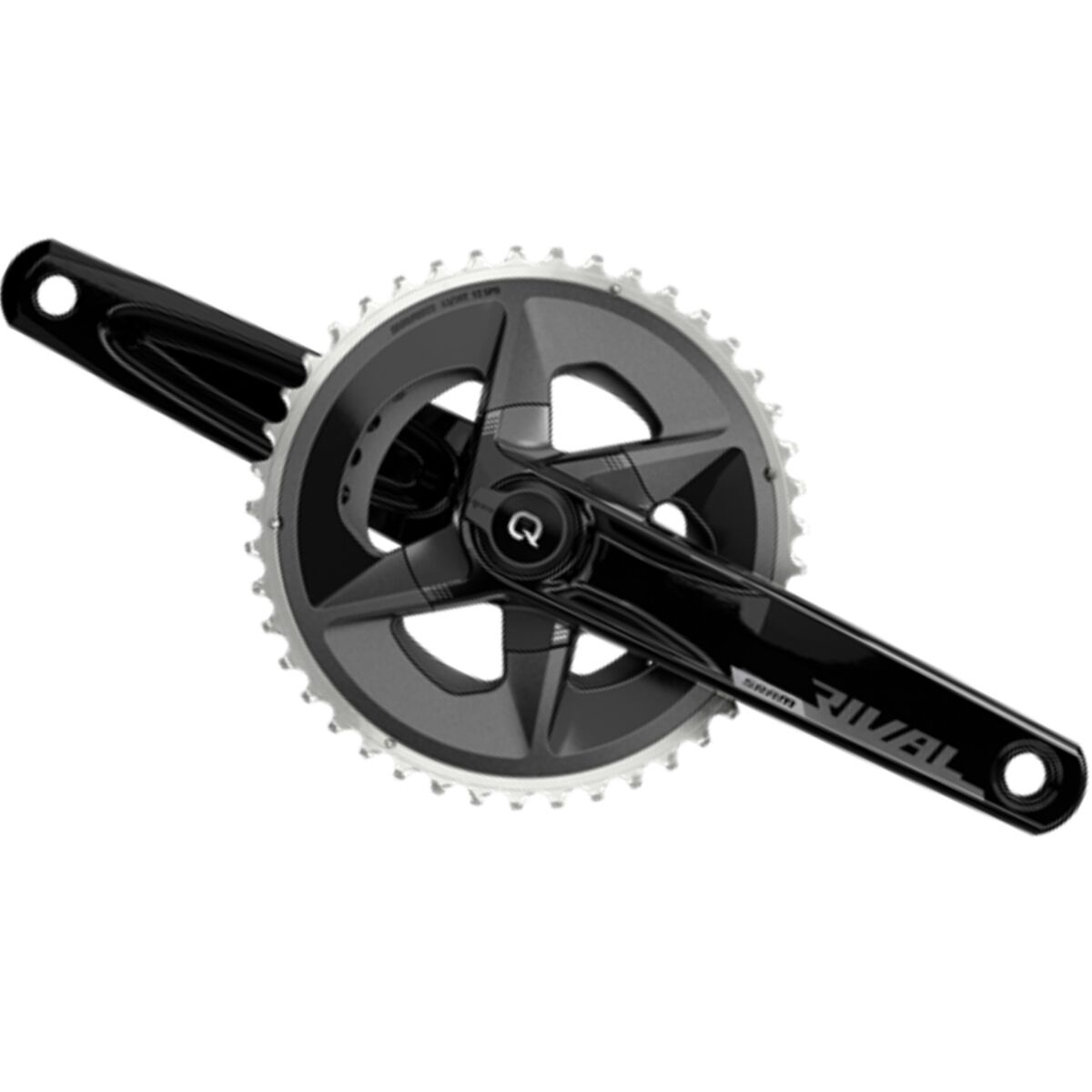
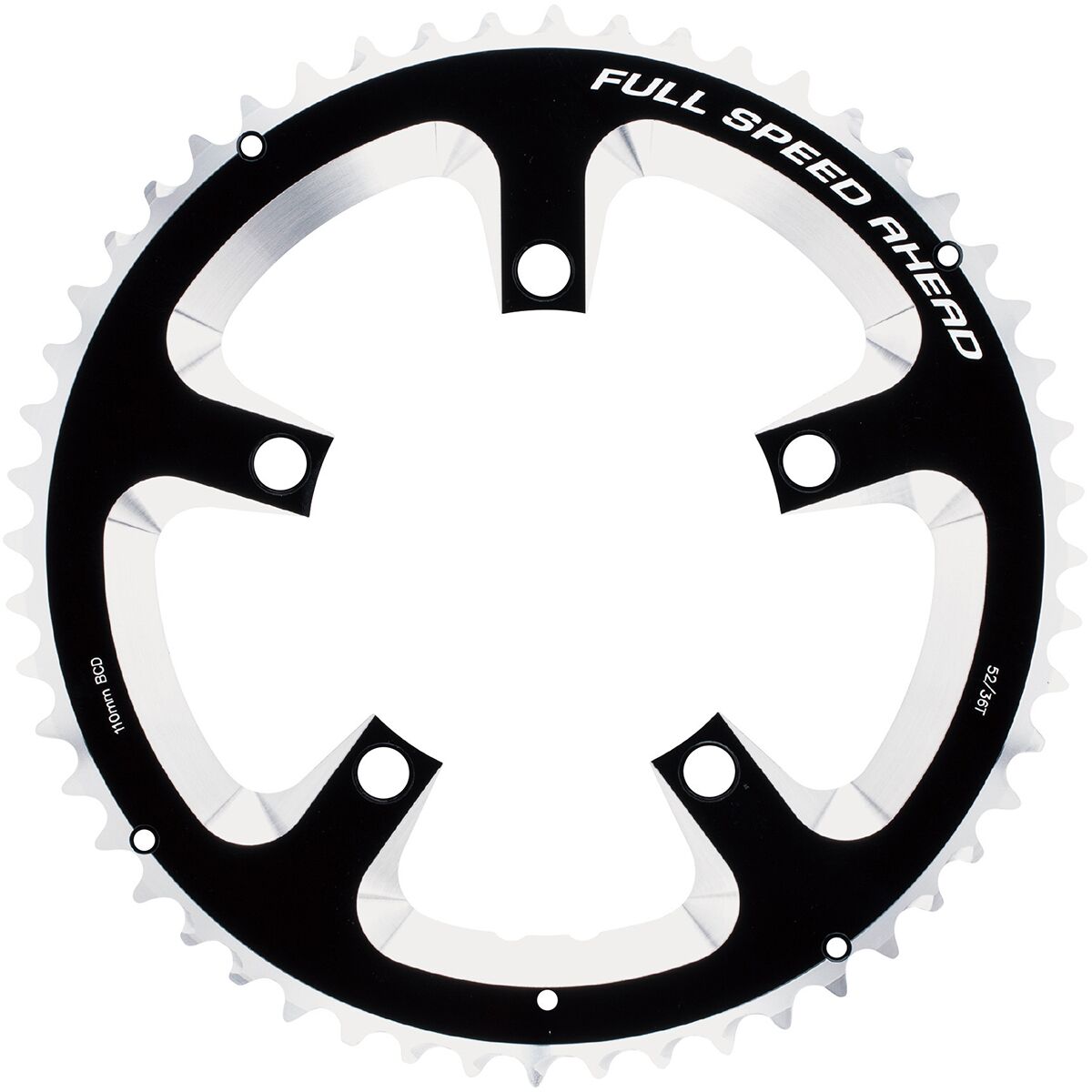
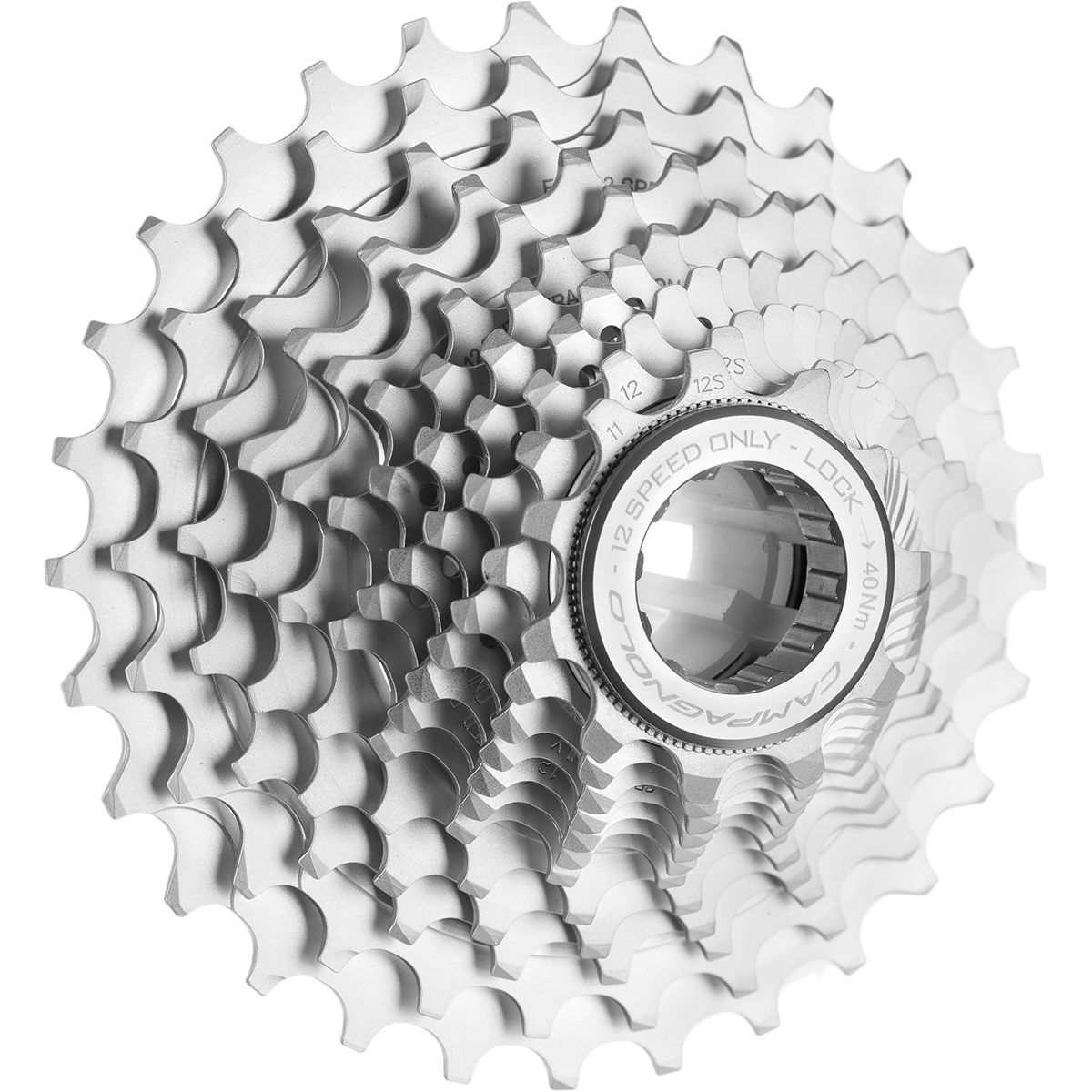
For climbing aim for compact rings (50/34t) paired with wide cassettes (11-34t or up to 10-36t) to keep cadence high; for flat or racing go semi-compact/standard (52/36t) with tighter cassettes like 11-28t for closer steps and higher top-end gearing—confirm your derailleur’s max capacity (e.g., 34t) first.Can I mix components from different tiers or brands without losing performance?
Mixing within a brand and speed family is common (e.g., an Ultegra cassette on 105), and Shimano/SRAM are often compatible within 11/12-speed outlines—but check brake type, axle/bottom-bracket standards, and total capacity because mismatched parts can hurt modulation or shifting precision; full groupsets avoid those integration headaches.How much weight difference exists between entry and pro groupsets and does it matter on climbs?
Full groupsets range roughly 1.8–3.5 kg, with higher-tier groupsets using more carbon/advanced alloys and lighter pulleys; every ~100 g saved translates to roughly a 0.5% climb-time gain, so prioritize weight if racing or climbing aggressively and durability if you train year-round.Should I choose disc or rim brakes when picking a road groupset today?
Hydraulic disc is the standard for better wet-weather stopping and modulation (20–50% improvement referenced), with common rotor sizes 140–160 mm and superior all-condition control; rim brakes still save weight/aero in dry conditions but require a frame compatible with the chosen brake type.