

Up To 50% Off Leadout Sale
Shop Now
Holiday Gift Guide
Gifts for cyclists who’d rather be riding
Summit+ Exclusive: Extra 10% Cash Back
Shop Eligible Items
Mountain Bike Cranksets


Related Categories





Frequently Asked Questions
What crank arm length should I choose for MTB to balance power, knee comfort, and pedal strikes?
Choose 165–175mm based on stature and terrain: shorter arms (165–170mm) improve agility and reduce pedal strikes on technical trails, while 170–175mm suit most adults (roughly 5'8"–6'2") for power and cadence—test for knee comfort.Which spindle and bottom bracket standards matter when buying an MTB crankset?
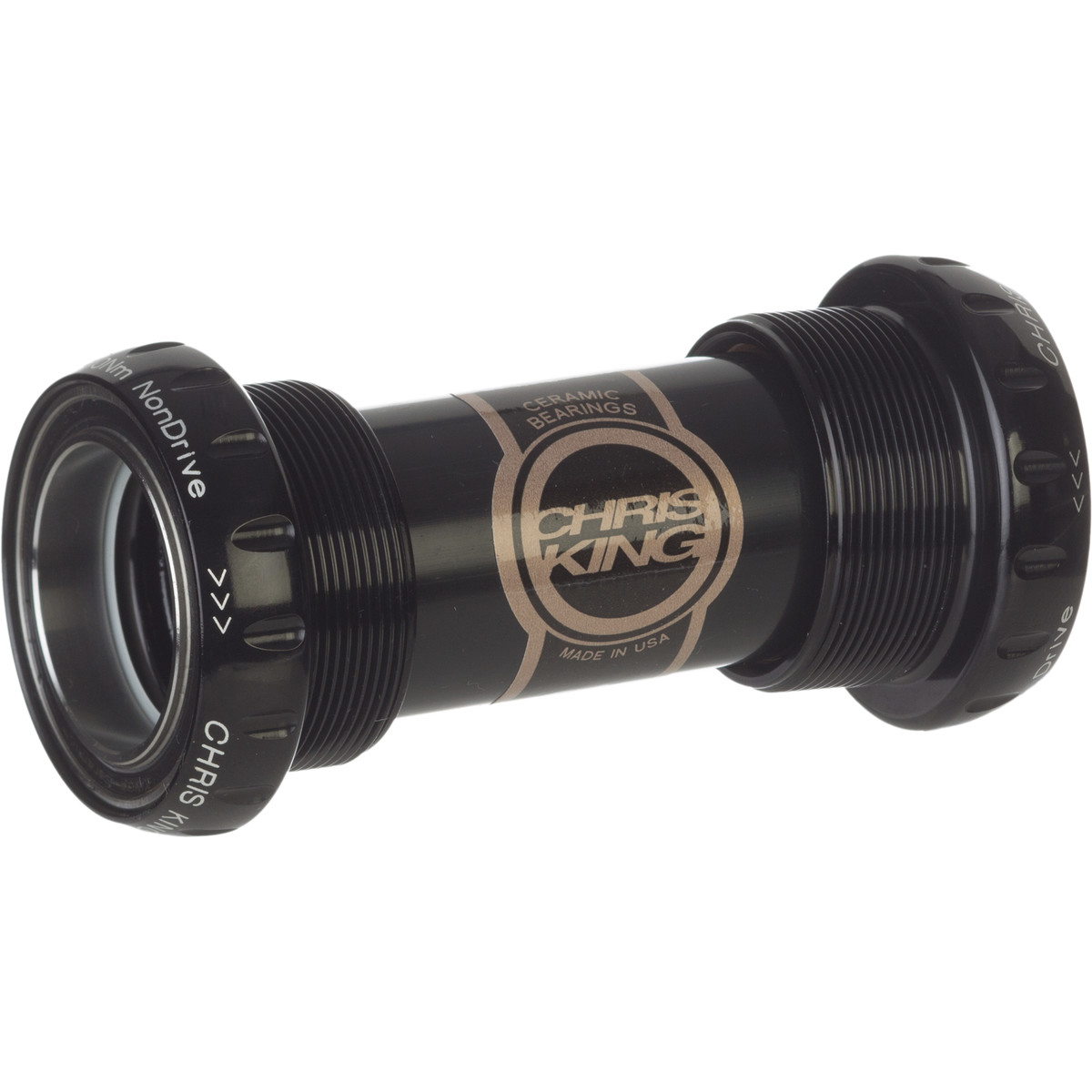
Match your frame's BB interface (DUB, Hollowtech II, PF30, or threaded BSA), spindle diameter (commonly 30mm, 28.99mm DUB or 24mm) and BB shell width so the chainline and shifting work correctly; also confirm Boost (148mm) vs non‑Boost rear spacing.Is carbon worth it over aluminum for mountain crank arms?
Carbon (high‑modulus) typically saves ~200–400g and raises stiffness for XC climbing and racing, while 7075‑T6 aluminum offers greater impact resistance and value for aggressive trail, enduro and DH riding.What chainring sizes and offsets should I pick for XC versus trail/enduro setups?
XC setups usually run 30–32T chainrings (e.g., a 32T 170mm carbon setup) for efficient climbing, whereas trail/enduro riders lean toward 34T with longer arms; be sure the chainring offset matches Boost (~3mm) or non‑Boost (~6mm) chainline specs.How much does crankset weight and construction affect climbing versus downhill durability?
Cranksets span about 350–800g—lighter carbon builds favor climbing and reduced rider fatigue, while heavier forged alloy or reinforced constructions sacrifice grams for impact durability and torque resistance needed in DH or e‑MTB use.