

Up To 50% Off Leadout Sale
Shop Now
Holiday Gift Guide
Gifts for cyclists who’d rather be riding
Summit+ Exclusive: Extra 10% Cash Back
Shop Eligible Items

Related Categories




Frequently Asked Questions
How do I verify a crankset will physically fit my bike?
Check bottom bracket standard (BSA, PF30, BB30, T47, PressFit) and spindle diameter—Shimano uses 24mm spindles while SRAM DUB is ~28.99mm—and confirm the crank’s intended chainline (road ~43–47mm, gravel/MTB ~50–52mm). Also verify BCD (110/130/104/94/107mm) for chainring fit and that the crank’s speed rating (10/11/12-speed) matches your cassette and derailleur.For gravel riding, should I run 1x or 2x and what chainring sizes work best?
1x gives simplicity and mud resistance with common gravel/road sizes from ~28–38T (and 30–34T for MTB), typically paired with a wide-range cassette (e.g., 10–52T); 2x gravel setups commonly use 46/30T, 48/31T or 48/32T to keep sub‑1:1 climbing gears while retaining top-end speed. When choosing 2x, keep adjacent ring gaps ≤16T to preserve smooth shifts.How do I pick crank length for performance and comfort?
Choose within the 160–180mm range—most riders use 170–175mm—with shorter cranks (160–165mm) for smaller riders or aero/tri setups and longer cranks (175–180mm) for taller or more powerful riders; a quick guideline is roughly 20–21% of your inseam (e.g., 80 cm ≈ 170 mm). Shorter cranks can reduce hip angle and knee stress, longer cranks can aid leverage.How much does crankset material affect weight and ride feel?
Carbon crank arms and hollow-forged construction typically yield the lowest weights and highest stiffness, while aluminum offers durability with a modest weight penalty; complete cranksets range roughly 500–1000 g depending on material and construction. Lighter/carbon options improve acceleration and climbing feel, while aluminum can be more impact‑tolerant.Are power‑meter cranksets worth it and what accuracy/options exist?
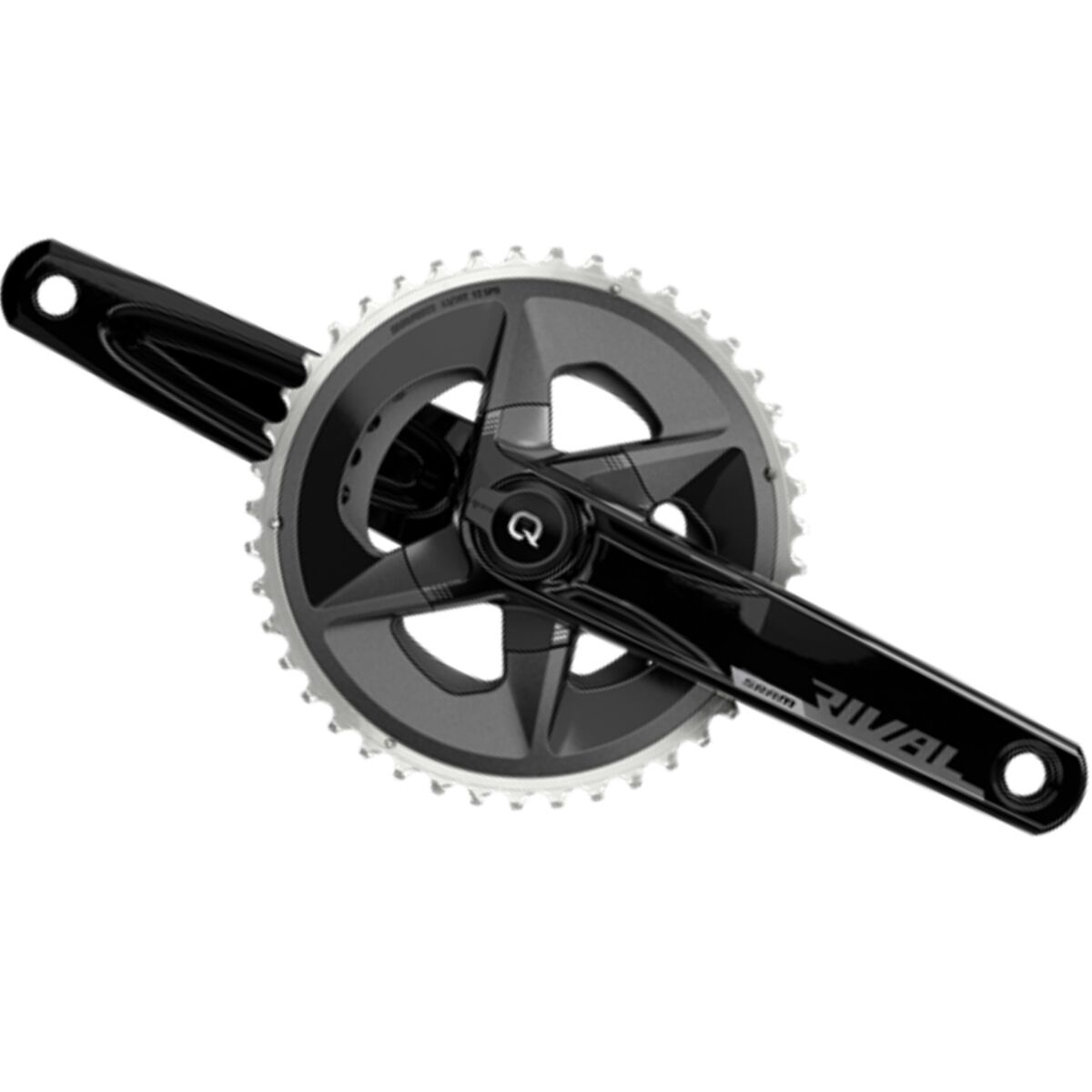
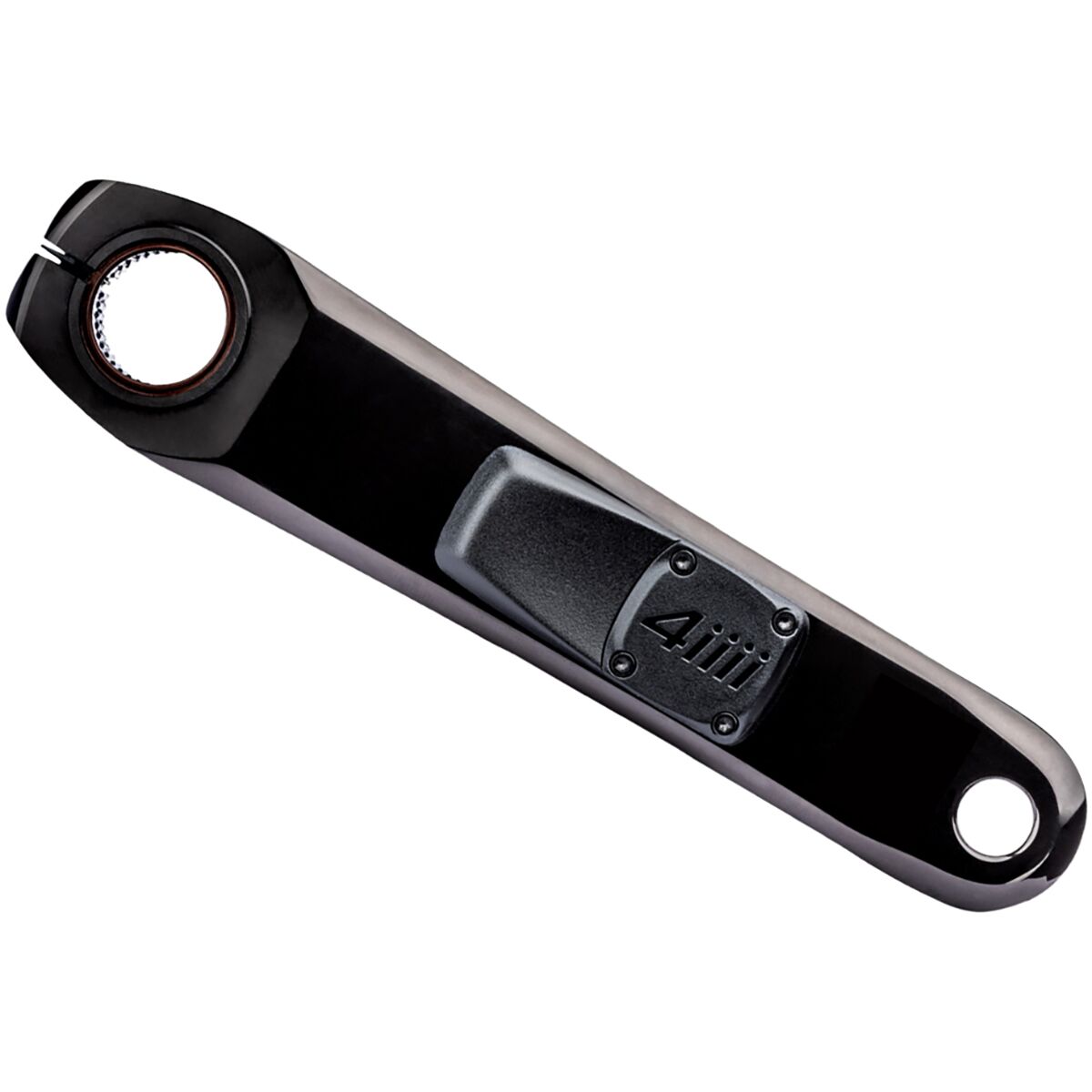
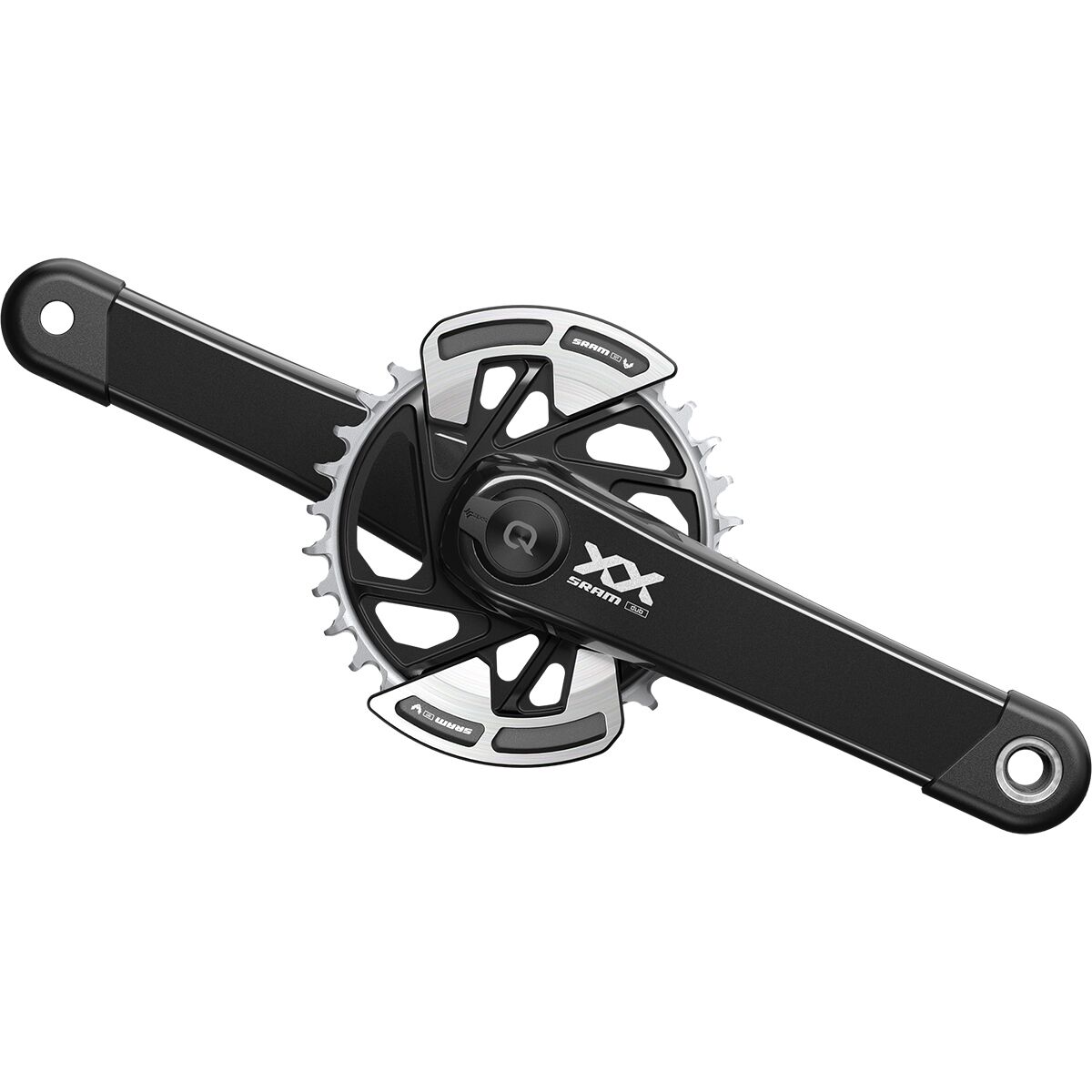
Integrated power‑meter cranksets (examples include Shimano 105‑R7100 and SRAM AXS Quarq) come in single- and dual‑sided variants and offer reliable training data with stated accuracies around ±1–2%. They eliminate separate pedals or hubs for watt data and keep power measurement centered at the crank for consistent left/right readings.