

Up To 50% Off Leadout Sale
Shop Now
Holiday Gift Guide
Gifts for cyclists who’d rather be riding
Summit+ Exclusive: Extra 10% Cash Back
Shop Eligible Items
Bike Brakes
305 results

Shimano
XT BR-M8120 Disc Brake
1 color
(5)
Gearhead Pick

Shimano
XTR BL-M9220 Brake Upgrade Kit
1 color
10% Cash Back Eligible
(1)
Gearhead Pick

SRAM
Rival E1 AXS Shift/Brake System
1 color
(1)

Shimano
Deore XT M8220 4-Piston Disc Brake
1 color

Shimano
Saint M820 Disc Brakes
1 color
(2)
Gearhead Pick

Shimano
XT M8220 Brake Upgrade Kit
1 color
10% Cash Back Eligible


Campagnolo
Non-Series Direct Mount Brake Caliper
1 color

Shimano
Dura-Ace BR-9200 Brake Caliper Set
1 color
10% Cash Back Eligible
Gearhead Pick

Shimano
RT-CL800 Rotor - Centerlock
1 color
(9)

SRAM
Paceline Rounded Rotor - Centerlock w/Lockring
1 color
(1)
Holiday Gift Pick

SRAM
Disc Brake Pads
1 color
(3)

Shimano
L05A Resin Disc Brake Pads
1 color
(4)

Shimano
RT-CL900 Rotor - Centerlock
1 color
(4)

SRAM
Paceline X Rotor - Centerlock
1 color
Holiday Gift Pick

Shimano
L04C Metallic Disc Brake Pads
1 color
(4)
Holiday Gift Pick

SRAM
HRD Road & Level Ult/Tlm Brake Pads
3 colors

SRAM
Centerline Rounded Rotor - Centerlock
1 color
(5)
Gearhead Pick

Shimano
XT SM-RT86 Rotor - 6-Bolt
1 color
(6)


Shimano
Professional Disc Brake Bleed Kit
1 color

SRAM
HS2 Rotor - Centerlock
1 color
(2)

SRAM
Pro DOT V2 Hydraulic Brake Bleed Kit
1 color

SRAM
Code Brake Pads
3 colors
(3)

SRAM
HS2 Rotor - 6-bolt
1 color
(9)

Shimano
XT BR-M8110 Flat Mount Brake Caliper
1 color

Shimano
J05A-RF Resin Disc Brake Pad
1 color

SRAM
5.1 DOT Hydraulic Brake Fluid
1 color

Park Tool
Hydraulic Brake Bleed Kit
1 color
(1)
Gearhead Pick

SRAM
Force E1 AXS Shift/Brake System
1 color
(2)

Shimano
RT-MT905 Disc Rotor - 6-Bolt
1 color

Shimano
Ultegra BR-R8170 Disc Brake Caliper
1 color

Hope
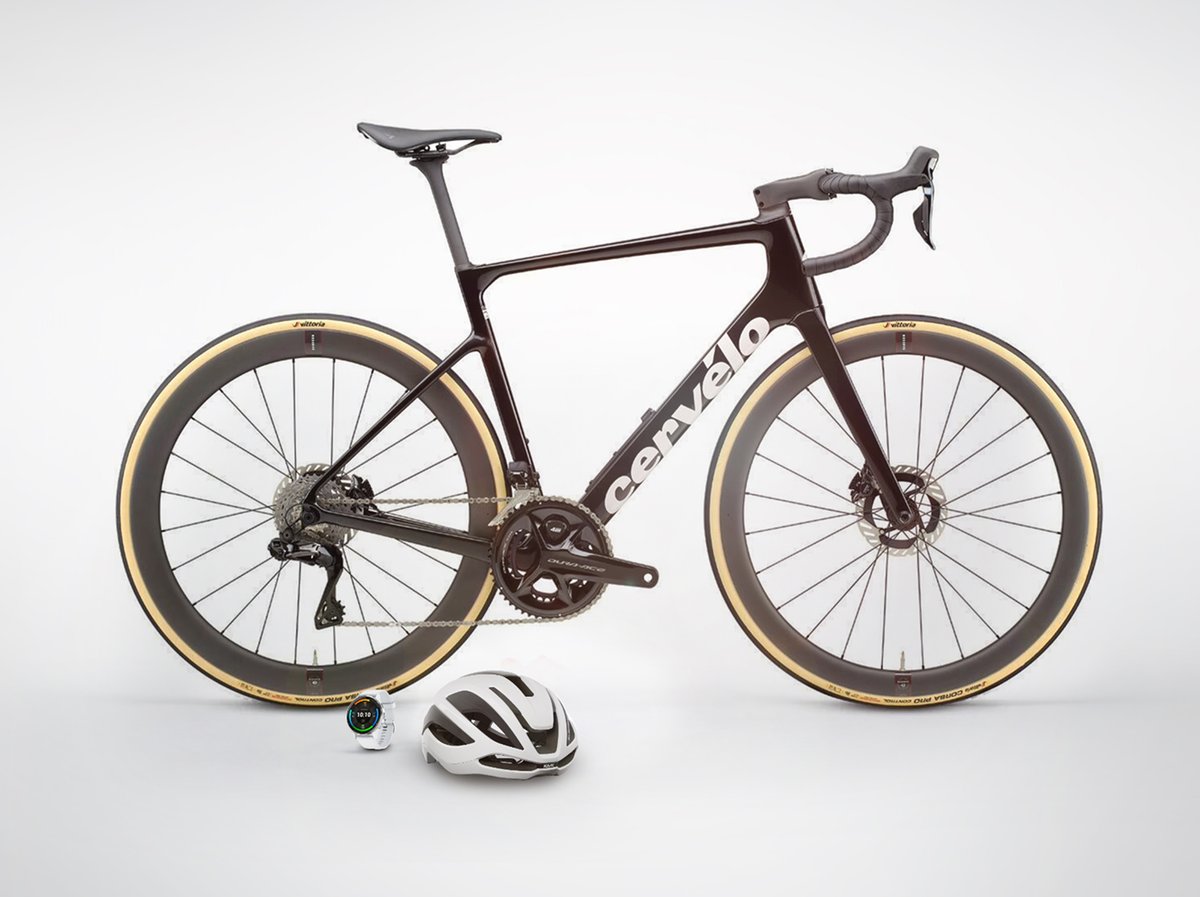
Hope Tech 4 V4 Disc Brake and Lever Set
5 colors
(3)

Campagnolo
Super Record 12 Dual Pivot Brakes
1 color
10% Cash Back Eligible

Hope
Floating Disc Rotor
4 colors
(5)

Shimano
BH90-JK-SSR Disc Brake Hose Kit
1 color
(1)

SRAM
Hydraulic Brake Hose Kit
3 colors

SRAM
Motive Ultimate Disc Brake
1 color

Shimano
Dura-Ace BR-R9270 Disc Brake Caliper
1 color

SRAM
CenterLine X Rounded Rotor
1 color
(3)

Hope
V4 Brake Pads
1 color
Gearhead Pick

SRAM
Maven Silver Disc Brake - Alloy Lever
1 color
(1)

Shimano
XT BR-M8100 Disc Brake Caliper
1 color

Shimano
BR-M4100 Disc Brake
1 color
(1)
Related Categories

Frequently Asked Questions
When should I choose hydraulic disc brakes over mechanical discs for my riding?
Hydraulic discs are the go-to for aggressive trail, enduro, and road use because they deliver superior power and modulation; mechanical discs are a lighter, cheaper option for budget builds or simple commuting where ultimate modulation isn't required.What rotor size should I run for trail, enduro or e‑bike use?
Use 140mm for light XC, 160–180mm for trail/all‑round use, and 203–220mm+ for enduro/DH/e‑bike where heat dissipation and sustained power matter—larger rotors add stopping power and fade resistance but cost weight, so confirm fork/frame clearance.How do I choose between organic, metallic, semi‑metallic or ceramic pads for my discipline?
Organic/resin pads give quiet, quick bite and are ideal for road/XC modulation but wear faster (roughly 3–6 months), metallic/sintered pads last much longer (6–12+ months), excel in wet/muddy and high‑heat DH/e‑bike use but are noisier and increase rotor wear; semi‑metallic is a good all‑around compromise, and ceramic favors long descents/road endurance for low rotor wear.Does piston count meaningfully affect braking performance?
Yes—2‑piston calipers suit light road/XC setups, while 4‑piston calipers are standard for MTB/enduro because they spread force more evenly for higher peak power and consistent feel under load.What fit and compatibility checks should I do before buying a brake set or pads?
Verify mount type (post‑mount vs flat‑mount), rotor size and thickness (typical 1.8–2.3mm; some rotors up to 3.3mm), pad compatibility with Shimano/SRAM/Avid calipers (and finned cooling options), lever reach and tool‑free adjusters, hub/axle spacing (e.g., Boost 148mm) and whether the system uses DOT or mineral oil for bleeding.